Prefabrication & Modular Construction Trends in India 2026: Driving Faster, Greener Infrastructure
Prefabrication & Modular Construction Trends in India 2026: Driving Faster, Greener Infrastructure
By 2026, prefabrication and modular construction have transitioned from niche to backbone of India's infrastructure push. With the National Infrastructure Pipeline (NIP), Bharatmala, metro expansions, data centers, and PMAY housing targets, traditional on-site methods face scalability limits. Prefab/modular delivers 20-50% faster timelines (McKinsey), up to 90% less waste, consistent quality in controlled factories, and better alignment with sustainability mandates.
India's prefab buildings market reached ~USD 15 billion in 2025 and is projected to grow at 8-12% CAGR through 2030 (Mordor Intelligence, IMARC, various reports), driven by urbanization, labor shortages, and policy support.
Key Trends Shaping Prefab & Modular in India 2026
1. Government & Policy Momentum
- Pradhan Mantri Awas Yojana (PMAY) & Global Housing Technology Challenge (GHTC): Light House Projects showcase modular viability; subsidies favor fast, affordable housing via prefab.
- National Infrastructure Pipeline & Budget 2026: ₹12+ lakh crore capex emphasizes speed; schemes like Construction Infrastructure Equipment (CIE) boost Made-in-India prefab manufacturing.
- Sustainability Push: Mandatory energy codes, C&D waste rules, and low-carbon goals make prefab attractive (reduces embodied carbon via optimized material use and factory efficiency).
2. Time & Cost Advantages
- Modular cuts on-site time 20-50% by shifting 70-90% work to factories.
- Typical savings: 10-30% overall cost (fewer delays, less labor/weather dependency).
- For high-debt projects: Faster completion improves IRR significantly.
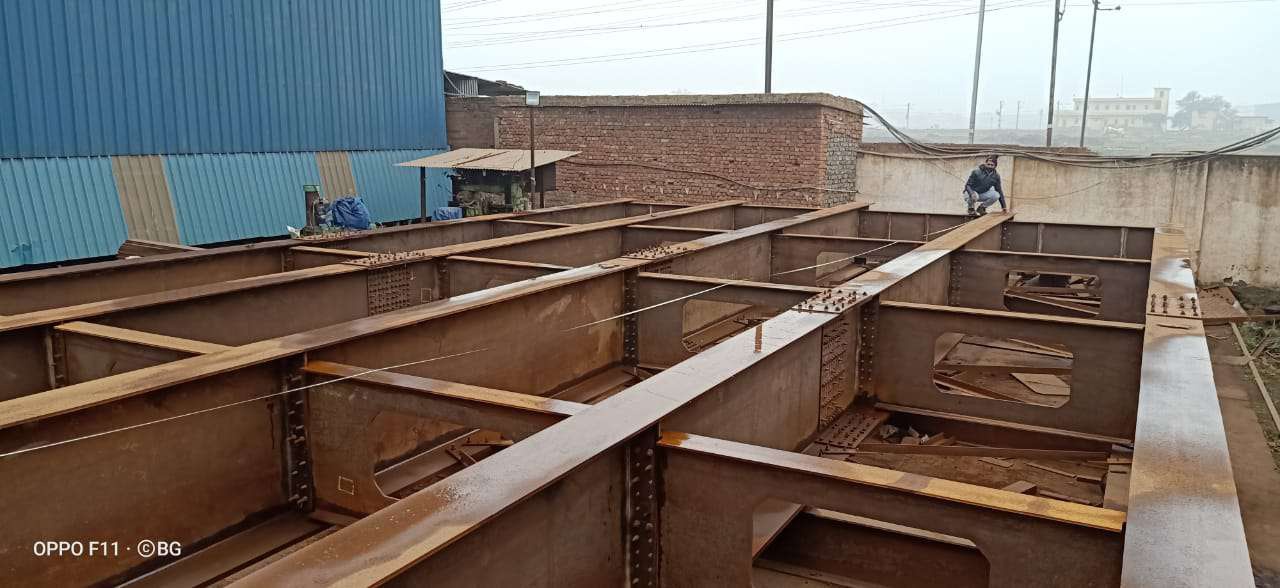
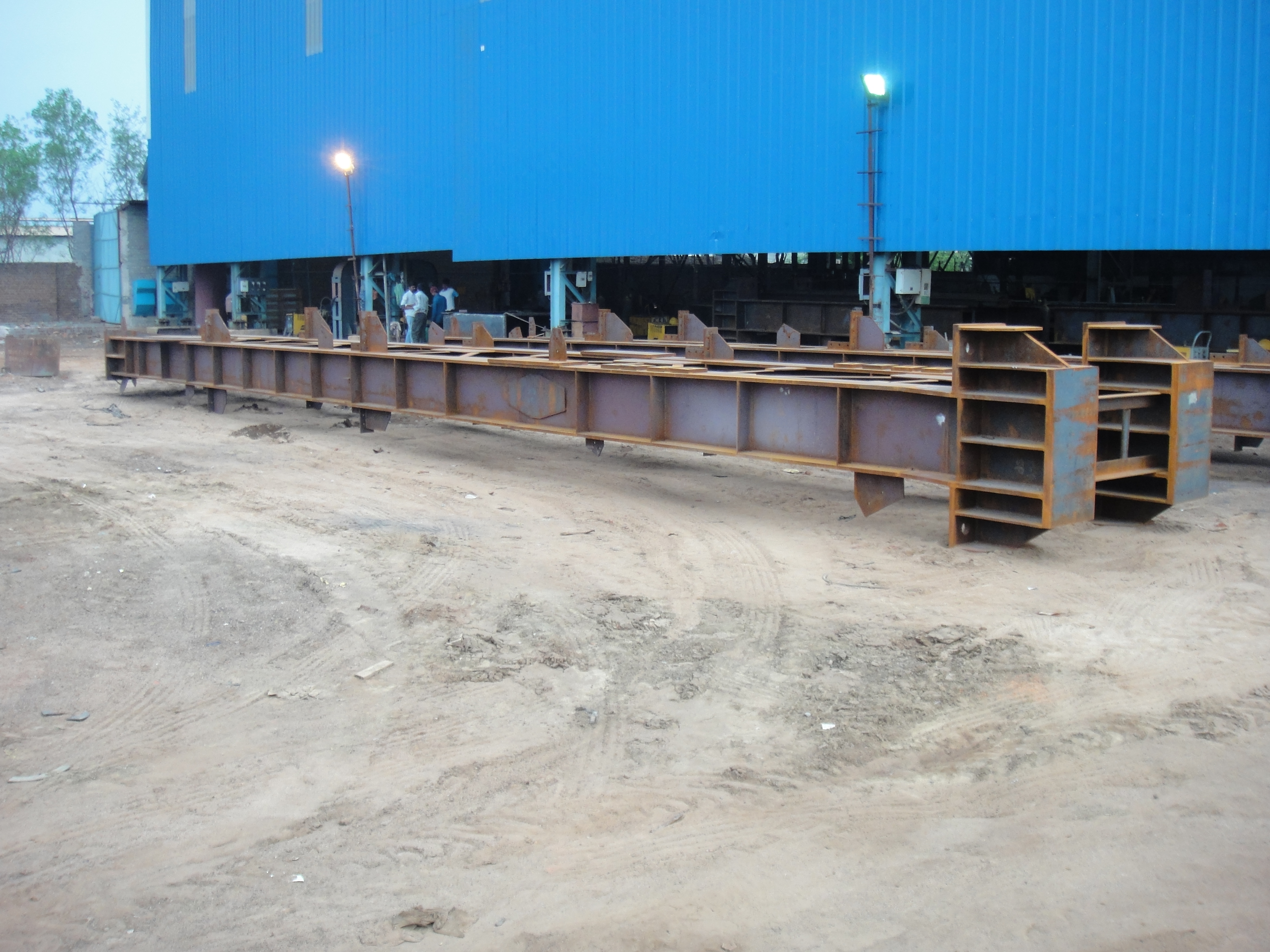
- In industrial/bridge sectors: Prefab steel modules (girders, columns, panels) enable rapid assembly with minimal disruption.
3. Sustainability & Waste Reduction
- Factory-controlled processes → up to 90% less construction waste.
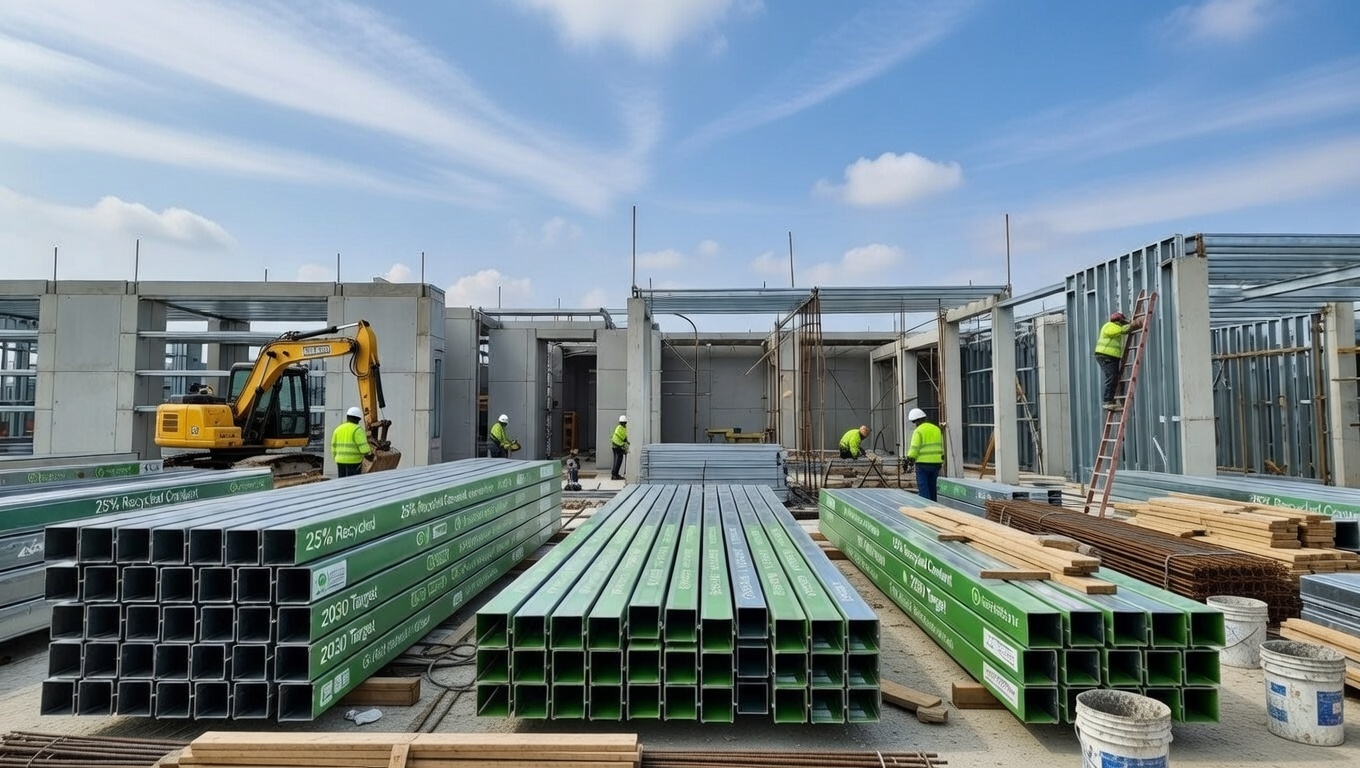
- Higher recycled content (steel scrap integration) and low-VOC coatings align with green building norms (IGBC/GRIHA).
- Modular designs support disassembly/reuse — ideal for temporary structures or future upgrades.
4. Technological Integration
- BIM & Digital Twins: Precise design-to-fabrication; clash detection reduces rework.
- Automation & Robotics: CNC cutting, robotic welding in prefab plants improve consistency.
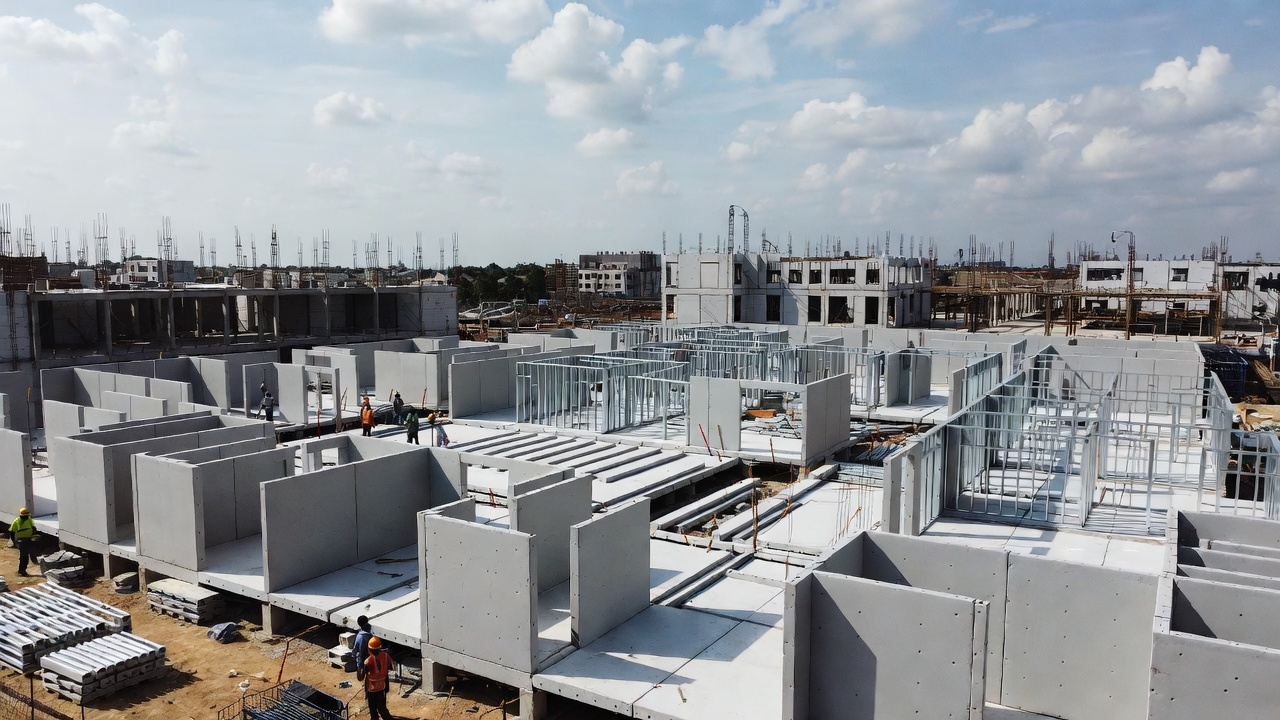
- Panelized vs Volumetric: Panelized (fastest growing ~9-10% CAGR) offers flexibility; volumetric suits housing/hotels.
- Hybrid systems: Steel frames + precast concrete panels gaining traction in bridges/flyovers.
5. Sector-Specific Adoption
- Housing & Urban: PMAY-driven mass housing in cities.
- Infrastructure: ROBs, metro stations, railway bridges — prefab girders cut erection time.
- Industrial & Commercial: Warehouses, data centers, factories — pre-engineered buildings (PEBs) dominate.
- Healthcare/Education: Modular hospitals/schools for rapid deployment (post-pandemic trend).
Challenges & Solutions in Indian Context
- Transportation/Logistics: Oversize modules require permits; solution: regional fabrication hubs (e.g., Chhattisgarh advantage).
- Skills Gap: ~45,000 worker shortage; addressed via skill programs in Budget 2026.
- Initial Cost Perception: Higher upfront but lower lifecycle; education via GHTC demos helps.
- Seismic/Environmental Compliance: Designs per IS 1893, IRC/IRS codes — steel's ductility suits India.
Role of Steel Fabricators in Modular Success
High-quality steel components (IS 2062 E250/E350 built-up sections, welded per IS 9595/AWS D1.5) form the backbone of most modular systems. Fabricators with:
- In-house CNC, blasting, painting, NDT
- RDSO/ISO 9001 certification
- Large cranes/booths for module assembly
enable seamless prefab delivery.
At Kothari Chemicals Engineering Division (Bhilai), we specialize in prefab-ready steel structures — bridge girders, columns, trusses, and custom modules — with RDSO approval, in-house capabilities, and experience in fast-track infra projects. Our controlled processes ensure precision fit, reduced on-site welding, and compliance with Indian standards.
Planning a modular project in 2026? Contact us for consultation on steel prefab components tailored to your timeline, budget, and sustainability goals.
Keywords: prefabrication trends India 2026, modular construction India 2026, prefab buildings market India, modular housing PMAY, pre-engineered buildings trends, sustainable construction India
About Engineering & Industry Insights Team
The Engineering & Industry Insights Team at Kothari Chemicals Engineering Division brings decades of combined experience in steel fabrication, quality assurance, and project management. We're committed to sharing knowledge that helps our industry grow.