Responsible Surface Preparation and Coating in Steel Fabrication
Responsible Surface Preparation and Coating in Steel Fabrication
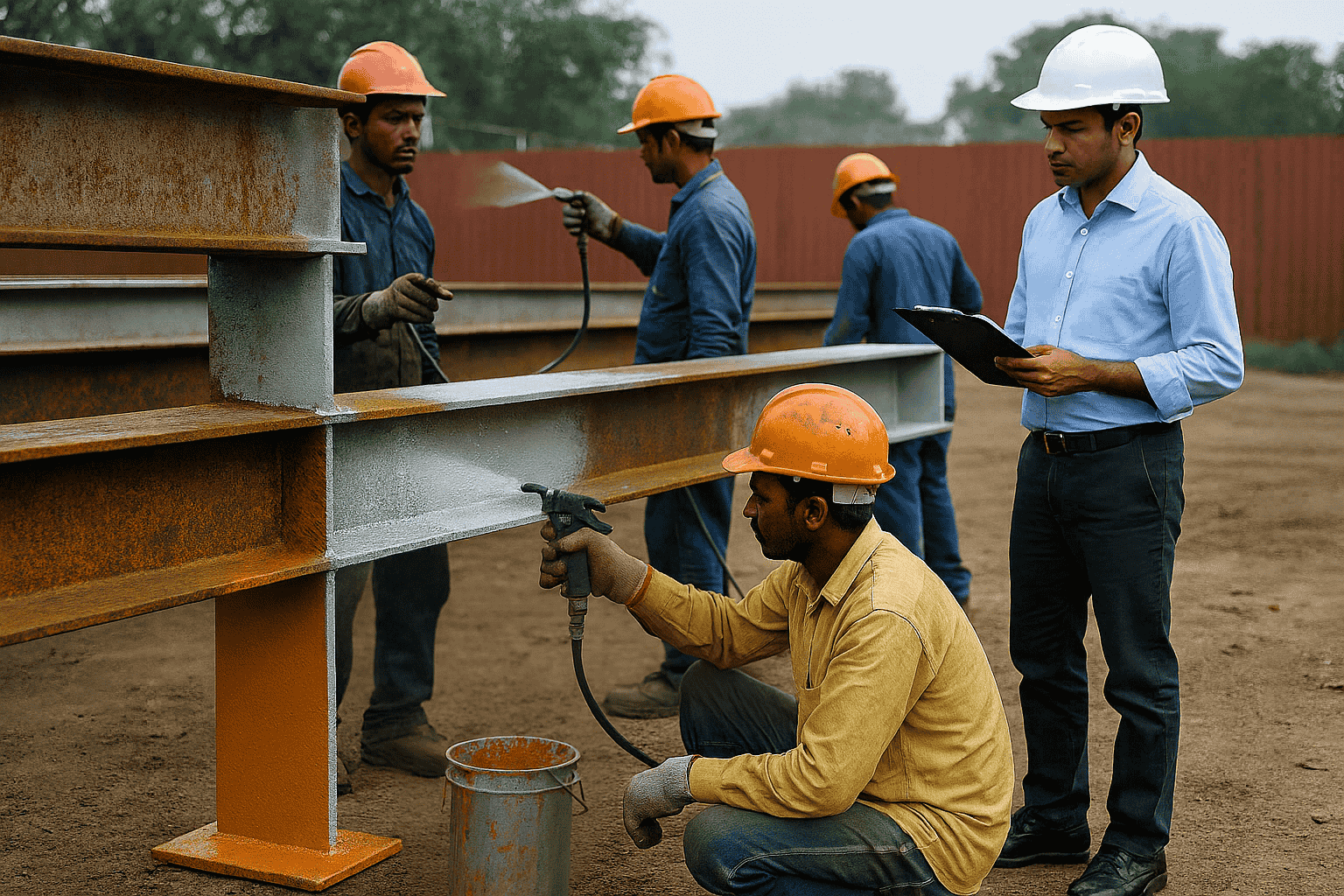
Surface preparation and coating affect the service life, maintainability and handover quality of fabricated steel. They also need to be planned responsibly: the shop workflow, applicable environmental requirements, project coating system and inspection records all matter.
For industrial and infrastructure packages, the strongest approach is to plan surface protection alongside fabrication rather than leaving it until the final days before dispatch.
Start With the Contract Scope
The first question is not which coating system is generally preferred; it is what the project requires. A buyer and fabricator should agree:
- Whether blasting, painting or metalizing is included in the fabrication scope
- The required surface-preparation standard and coating system
- Required checks, such as film-thickness or adhesion testing
- Environmental and handling constraints at the shop and destination site
- Touch-up, packaging and transit-protection responsibilities
This creates a usable plan for production and quality teams. It also prevents a common handover problem: a member may be structurally complete but still not ready for its specified protection system.
Dedicated Facilities Matter
Steelwork preparation is easier to control when the operation has an identified place in the shop flow. Kothari's infrastructure includes an automatic shot-blasting machine, a blast room and a paint booth, alongside metalizing support. These facilities allow surface work to be coordinated with fabrication, staging and dispatch planning.
Their presence does not remove the need for project-specific controls. The right sequence, coating material, inspection requirements and curing or handling period depend on the contract and approved paint system.
Inspection Should Match the Scope
Coating quality is not only visual. The inspection plan should define what evidence is required before release. Depending on the project, this may include surface-condition checks, coating measurement and paint-adhesion testing. Kothari lists coating measurement and paint adhesion among its in-house/on-site testing resources; specialist requirements should be confirmed with the project team.
Environmental and EHS Responsibility
Responsible fabrication means recognising that surface work sits within a wider compliance and EHS context. Kothari maintains air and water environmental consent as a statutory facility record. For a specific project, the practical responsibility is to follow the applicable statutory, customer and project requirements and to maintain the requested quality and inspection documentation.
It is better to be precise than to make broad sustainability claims. Buyers should request the documents and controls relevant to their own scope rather than rely on generic statements.
Questions to Ask Before Award
- Is surface preparation and coating included in the quoted scope?
- Which facilities will be used, and how do they fit the fabrication sequence?
- Which inspection records will be supplied at handover?
- What is the packing and transit-protection plan after coating?
- What statutory, customer and project requirements apply to this package?
Before handover, check that coating measurements can be traced to the inspected members. Our dry film thickness report guide explains what to look for in the records. For more on Kothari's documented capability, see our Sustainability & EHS information and infrastructure overview.
About Quality Team
The Quality Team at Kothari Chemicals Engineering Division brings decades of combined experience in steel fabrication, quality assurance, and project management. We're committed to sharing knowledge that helps our industry grow.