.jpg)
Water-Cooled EAF Components: Design, Manufacturing & Maintenance in Indian Steel Plants
Water-Cooled EAF Components: Design, Manufacturing & Maintenance
Electric Arc Furnaces (EAF) in Indian steel plants operate at extreme temperatures exceeding 1,800°C. Water-cooled components are essential for protecting furnace structure and enabling continuous operation. With 50+ successful installations across Indian steelmakers, here's what you need to know.
Why Water Cooling in EAF?
EAF components face:
- Temperature extremes: 1,800°C+ during operation
- Thermal cycling: Rapid heating/cooling (common in Indian batch-processing steelmaking)
- Mechanical stress: Charging impact loads
- Corrosive environment: Slag and metal vapor attack refractory and steel
Water cooling extends component service intervals relative to unlined systems, reducing downtime and replacement costs—critical for Indian steelmakers operating 24/7 schedules.
Types of Water-Cooled Components
1. EAF Roof Panels
Direct arc radiation exposure. Our water-cooled designs:
- Copper tubes embedded in refractory matrix (thermal design per heat flux calculations)
- Extended service intervals relative to conventional refractory (actual duration depends on operating parameters: furnace charge rate, slag chemistry, operating temperature)
- Improved insulation efficiency reducing heat loss
2. Movable Hoods
Off-gas collection and dust capture. Features:
- Frame: IS 2062 E250 structural steel per IS 800:2007
- Water-cooled copper piping (thermal design for cooling load)
- Mechanical/hydraulic drive systems (maintenance-critical in Indian plants with limited downtime)
3. Sidewall Delta Panels
Furnace wall protection. Specifications:
- Modular construction (enables rapid replacement during maintenance window)
- Copper piping with optimized flow (turbulent flow: Reynolds number >4000)
- Stainless steel facing (316L recommended for slag resistance in typical Indian steelmaking slag chemistry)
4. Movable Skirts
Fume capture and air inlet control. Requirements:
- Flexible water connections (vibration-resistant per operating conditions)
- Lightweight construction (minimizes motor/drive load)
- Quick-disconnect fittings (rapid replacement)
Design & Manufacturing
Thermal Design Considerations
- Heat flux calculation: Based on furnace capacity (tonnes/heat) and tap-to-tap time
- Water flow rate: Per design (typical 2-4 m³/hr per circuit)
- Temperature rise: Maximum 20-30°C (inlet to outlet) to prevent copper overheating
Material Selection
- Copper tubes: Seamless, 10-12 mm OD, 0.8-1.0 mm wall thickness (high thermal conductivity)
- Stainless steel facing: 316L minimum (superior corrosion resistance to slag chemistry)
- Refractory: High alumina or magnesia per slag analysis
Manufacturing Process
- Thermal FEA analysis (ANSYS or equivalent) for cooling requirements
- Precision copper tube bending (hydraulic benders to specification)
- TIG/MIG welding of connections per IS 9595:2016 and AWS standards
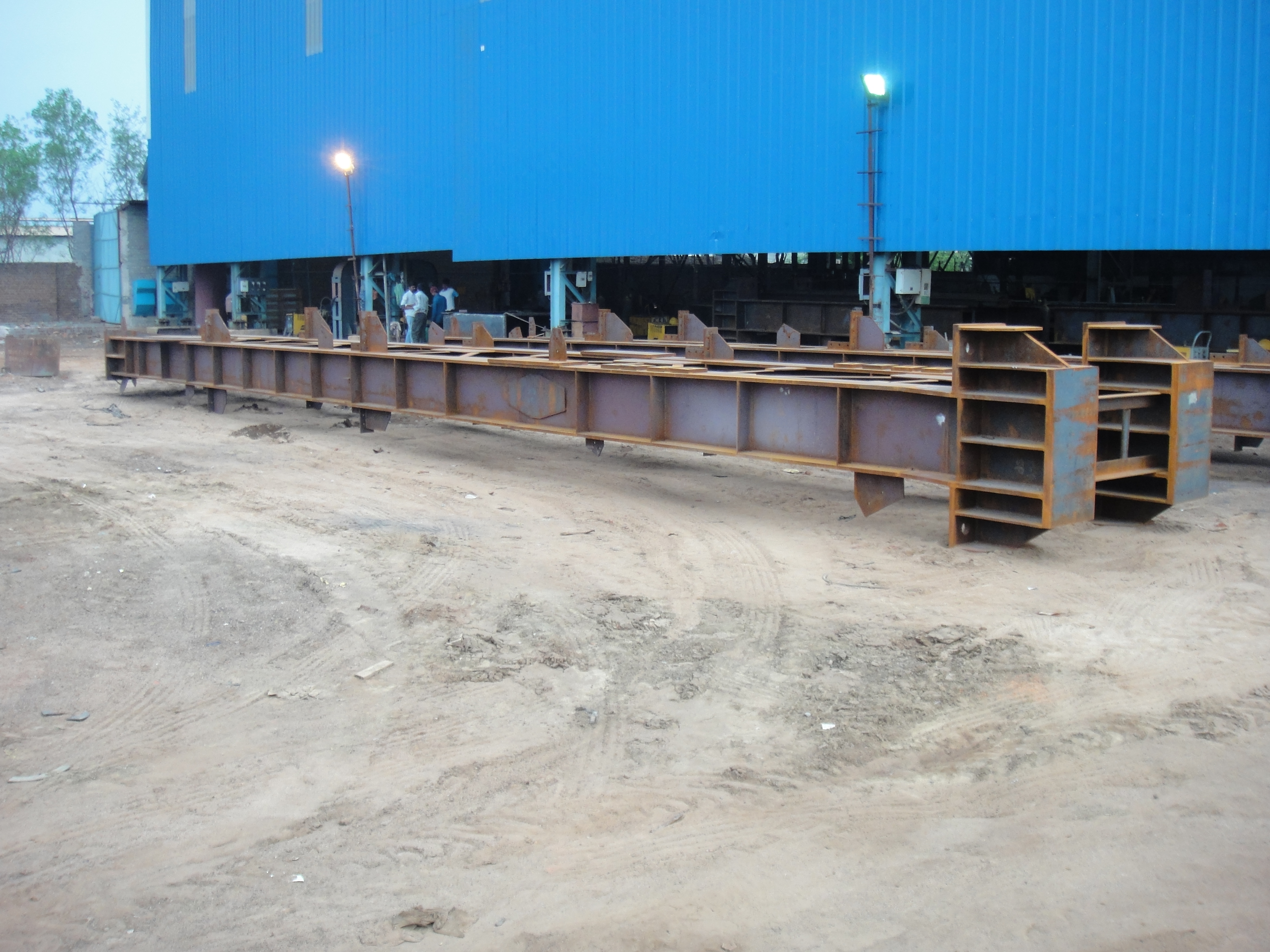
- Structural steel frame fabrication per IS 800:2007 (E250 grade typical)
- Hydrostatic testing at 1.5x working pressure per ASME VIII or IBR requirements
- Flow verification confirming even cooling distribution
Maintenance Best Practices
Daily Monitoring
- Flow rate tracking (confirm design flow maintained)
- Inlet/outlet temperature monitoring (temperature delta-T increase indicates scale buildup)
- Visual leak inspection
Monthly Maintenance
- Water quality testing:
- pH: 7.0-8.5 (prevent corrosion)
- Conductivity: <500 µS/cm (low dissolved minerals)
- Chloride: <100 ppm (prevent pitting of copper)
- Strainer/filter cleaning (ensure flow rate maintained)
- Hose inspection (replace if cracks, hardening visible)
Annual Overhaul
- Internal inspection during planned shutdown (visual exam for scale, cracks, leaks)
- Chemical descaling (citric acid treatment for copper scale)
- Wear component replacement (seals, hose clamps, relief valves)
- Pressure relief valve testing (critical safety function)
Common Issues & Solutions
Tube Leakage
Causes: Thermal fatigue, poor water chemistry, erosion-corrosion
Prevention: Seamless tubes, water quality control, thermal expansion accommodation
Inadequate Cooling
Causes: Scale buildup, low flow, air in system
Solution: Regular descaling (6-12 month intervals), flow monitoring with ultrasonic flowmeter
Refractory Cracking
Causes: Poor anchorage, thermal shock during charging
Solution: Mechanical key anchorage, controlled heat-up procedure (ramp temperature gradually at startup)
Cost-Benefit Analysis
Capital cost: Water-cooled system = 2-3x air-cooled refractory system
Operational benefits:
- Extended service intervals relative to unlined systems (varies with operating parameters)
- Reduced unplanned downtime
- Lower refractory consumption through improved thermal efficiency
- Higher production rates (cooler furnace shell enables higher charge rates)
Payback: Typically 18-24 months for 24/7 Indian steelmakers
Recent Indian Projects
- EAF roof panels: Durgapur Steel Plant (SAIL)
- Movable hoods: SMS India (private steelmaker)
- Water-cooled skirts: Multiple Tier-1 Indian steel plants
Conclusion
Water-cooled components represent significant capital investment with operational returns through reduced downtime and extended service intervals. Proper thermal design, quality fabrication per Indian and international standards, and regular maintenance maximize benefits.
Planning EAF upgrade? Our engineering team (50+ installations across India) can design optimal cooling systems for your furnace capacity, slag chemistry, and production schedule.
Keywords: EAF water cooling India, electric arc furnace components, IS 2062 steel fabrication, steel plant equipment, furnace cooling systems
About Technical Team
The Technical Team at Kothari Chemicals Engineering Division brings decades of combined experience in steel fabrication, quality assurance, and project management. We're committed to sharing knowledge that helps our industry grow.